Installing a new air conditioner can be a worthwhile investment for improving comfort throughout your home or business. However, choosing a system involves more than selecting a unit based on its appearance or purchase price. The size of the property, energy efficiency, available space and your individual cooling requirements can all influence which system is most suitable.
Before arranging air conditioning installation, it is useful to understand the factors that can affect your choice. Taking the time to plan properly can help you select a system that suits your property and provides reliable performance for years to come.
Consider The Size Of Your Property
One of the most important considerations is the size of the area you want to cool. An air conditioner that is too small may struggle to maintain a comfortable temperature, while a system that is unnecessarily large can consume more energy than needed.
The layout of the property also matters. Open-plan spaces, multiple rooms, high ceilings and large windows can all influence cooling requirements.
A qualified technician can assess the property and recommend an appropriately sized system rather than relying solely on the property’s overall floor area.
Choose The Right Type Of System
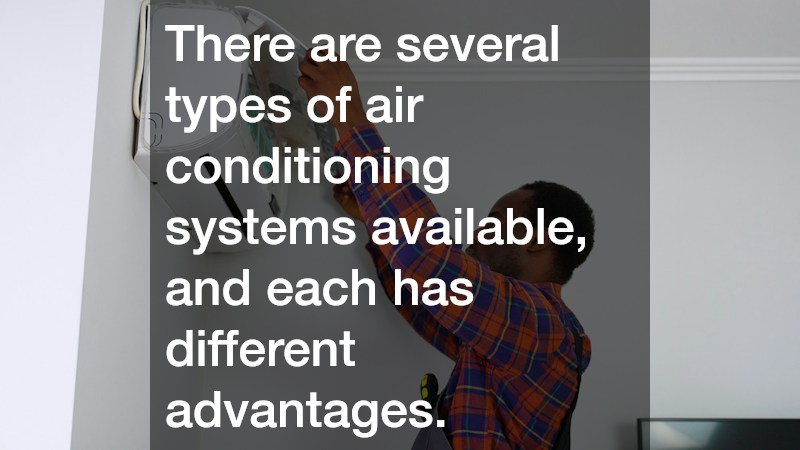
There are several types of air conditioning systems available, and each has different advantages. Split systems are commonly used for individual rooms, while ducted systems can provide cooling throughout multiple areas of a property.
Multi-split systems can also connect multiple indoor units to a single outdoor unit, providing flexibility for properties where individual rooms have different requirements.
Before arranging air conditioning installation, consider how many rooms you want to cool and whether you prefer individual temperature control or a system that serves the entire property.
Think About Energy Efficiency
Energy efficiency should be considered alongside the initial purchase price. An efficient air conditioner may help reduce ongoing electricity consumption, particularly when the system is used regularly.
When comparing models, look at their available efficiency information and consider how the system will be used. A system that operates efficiently under your typical conditions may provide better long-term value than simply choosing the cheapest unit.
Your installer can also discuss appropriate settings and operating practices to help you use the system efficiently.
Consider Where The Units Will Go
The position of both indoor and outdoor components can affect the practicality and appearance of an installation. Indoor units should be positioned where they can distribute conditioned air effectively without creating unnecessary obstructions.
Outdoor units require appropriate clearance and airflow. They should also be positioned where they can be accessed for maintenance while being protected from avoidable hazards.
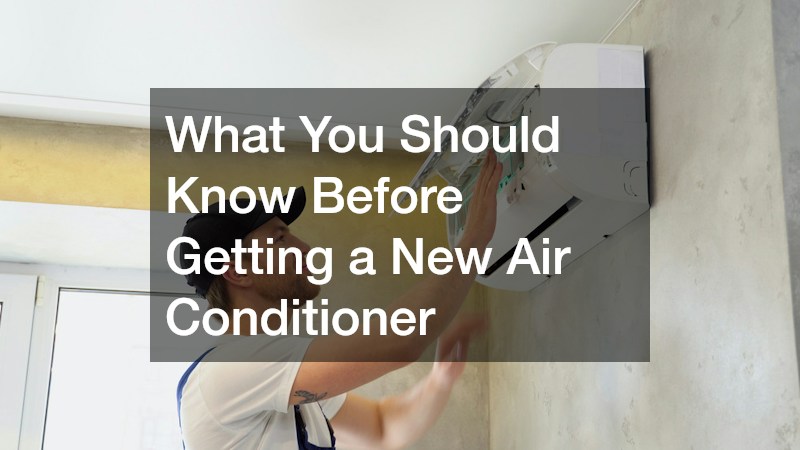
During air conditioning installation, a professional technician can help determine suitable locations based on your property’s layout and the manufacturer’s requirements.
Understand Installation Requirements
Installation is an important part of getting a new air conditioner. Even a high-quality system may not perform as expected if it has been incorrectly installed.
Professional installation can involve electrical connections, mounting equipment, connecting refrigerant lines and checking that the system operates correctly. The exact requirements depend on the type of air conditioner being installed.
Using a suitably qualified professional can help ensure the installation is completed safely and appropriately.
Ask About Maintenance
Every air conditioner requires some level of maintenance. Filters may need to be cleaned regularly, while professional servicing can help keep important components operating properly.
Before purchasing a system, ask about its maintenance requirements and how frequently professional servicing is recommended. Understanding these responsibilities in advance can help you budget for ongoing care.
Keeping the system maintained can also provide an opportunity to identify developing issues before they become more serious.
Consider Your Budget
Your budget should include more than the price of the air conditioning unit. Installation costs, electrical work, additional materials and future maintenance may all contribute to the overall investment.
Request a detailed quote before work begins and make sure you understand what is included. Comparing quotes can help you assess the total cost of different options rather than focusing only on the equipment price.
Think About Future Cooling Needs
It is also worth considering how your cooling needs may change in the future. If you are planning a renovation, adding rooms or changing how you use certain spaces, these plans could influence the type of air conditioner you choose. You may also want to consider whether individual temperature control will be important for different rooms.
Discussing your future plans with an experienced installer can help you avoid choosing a system that may no longer suit your property as your needs change. Planning ahead during air conditioning installation can make future upgrades or adjustments more straightforward and potentially reduce unnecessary costs.
Getting a new air conditioner requires careful consideration of your property’s size, layout, cooling requirements and budget. You should also think about energy efficiency, system type, equipment placement and ongoing maintenance before making your decision.
Professional air conditioning installation can help ensure your new system is correctly fitted and ready to operate safely and effectively. By choosing the right equipment and working with a qualified installer, you can make a more informed investment and enjoy a comfortable indoor environment throughout the year.